







What Medical Equipment Should You Always Have At Home? Regardless of your age or health condition, one of the best things you can do is make sure your home is well equipped in case of a medical emergency. If you’re a senior or a patient recovering at home, it’s not just forward-thinking – it could literally save your life. On top of the furniture and accommodations that keep you safe during your day-to-day activities, have the following medical equipment always available in your home.
Learn About Medical Supplies You Should Have At Home
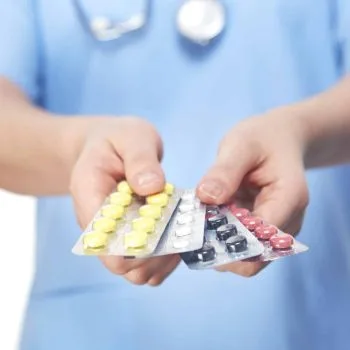
Storing Extra Medications In The Home
For anyone taking medications, the most important thing to have on hand is enough of your personal prescriptions. Having an extra supply can make a real difference if you get sick and can’t leave your home to get more. There should be approximately one month’s worth of refills available in your home in case you need them.
What you stock depends on your condition, but you should have any prescriptions you cannot live without – EpiPens, insulin, inhalers, antidepressants, or anything medically necessary.
Stocking Emergency Medical Supplies
Once you have your personal medications on hand, think about other medical supplies. Every household should have a first aid kit at home should emergency care be necessary. It can be handy for stabilizing a person before seeking further help in the hospital.
First aid kits contain sterile gauze, bandages, adhesive tape, and other essential supplies. Supplement your first aid kit with the following items, keeping everything in a dry environment you can easily access:
- Thermometer
- Anti-inflammatories and fever reducers
- Anti-histamines
- Cough suppressants
- Decongestants
- Hydration aids like Pedialyte or electrolyte powders
- Antibiotic ointment
- Tweezers and nail clippers
- Gloves and masks
Make sure to note the expiration dates of any of these products and rotate them into your everyday use so that they do not go to waste.
Discover Pre-Medical Supplies For The Home
In-home caregivers know that certain medical supplies should always be handy should a senior require pre-medical treatment. These can include saline and Vitamin B12 drip and IV, a course of amoxicillin, tetracycline, or another general antibiotic, and medical-grade splints.
All these supplies can be purchased online or through a local medical supply store. They’re ideal should a patient need immediate emergency treatment to save their life, when medical care is unavailable, or when the person is severely dehydrated.
Eyewash Stations and Supplies At Home
One of the most overlooked supply items is eyewash. Eye injuries are common and can happen even in routine activities. Having something handy to wash out the ocular surface should be on everyone’s home medical supply list.
If you can’t get your hands on a standard eyewash, contact lens solution and artificial tear drops also work well. While the bottles tend to be a little small, they’ll perform well in a pinch. While you might not think of scenarios where eyewash is essential, this extra measure isn’t expensive and can make you as prepared as possible.
Medical Thermometers and Related Devices
A medical thermometer is a handy medical instrument to have in your home. The first sign of many medical conditions can be a rise in body temperature, but it can be necessary for you to know how much rising has occurred. Body temperatures can fluctuate above and below the average of 37 degrees Celsius or 98.6 degrees Fahrenheit for many reasons, including physical exertion, menstruation, or dehydration. If monitoring your temperature and you see that it rises above 38 degrees Celsius or 100.4 degrees Fahrenheit, call your doctor.
If you cannot meet your healthcare practitioner in person, a medical-grade thermometer can help during a virtual appointment. The doctor can recommend the most appropriate medicine based on the results the thermometer provides.
Medical Humidifier and Recovery Room Monitoring
All households should have a humidifier. These are essential for maintaining optimal humidity levels in ways that can improve one’s health while enhancing comfort in their homes. It can also be necessary to reduce illness transmission, as having low humidity levels can increase the chances of spreading viruses and airborne bacteria. These can remain airborne for hours if the air is below a certain relative humidity (RH) level. By raising the humidity, an in-home humidifier can protect a patient’s overall health.
Whether it’s for preventing the spread of airborne viruses or protecting one’s eyes, nose, and throat from dry conditions, many people find a humidifier to be a worthwhile investment.
Frequently Asked Questions About Common Home Medical Inventory
What medical equipment should you have at home?
Medical thermometers, emergency blankets, saline and vitamin B12 drip, healthcare splints, basic aid kits, eyewash, and humidifiers are just a few of the essential medical goods that every family should really have.
What are common medical supplies?
Cleansing aids, underpads, restraints, anti-embolism stockings, and diapers are examples of medical items that are regularly purchased in stores. Speculums, briefs/pads, clamps, surgical packs, bed coverings, surgical equipment, and towels are some common items available.