


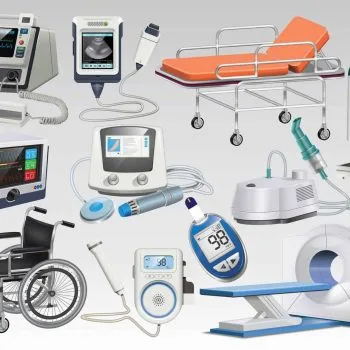





How Do You Know Home Medical Equipment Is Certified? How can you tell when the home medical equipment you need is certified? From tongue depressors to artificial pancreas systems, most of these products must receive registration before they can be sold in North America. Regardless of how big or small this equipment is, it’s necessary to certify its safety, reliability, portability, and security before use. Here’s how you can confirm the legitimacy of the equipment!
Learn About Medical Supplies Certification Process
Why Is Certification Of Medical Equipment Essential?
Medical equipment certification is an essential step before companies can sell their products in North America or globally. It’s a necessary safeguard for medical staff and vendors that keeps users safe, both inside and outside medical facilities.
Many medical devices and pieces of mobility equipment are used directly by patients, whether in a medical facility or at home; as such, the devices must be free of any hazards that could affect the user’s safety.
Certification also guarantees reliability, ensuring that the medical device won’t malfunction and cause any harm to the patients, medical staff, or caregivers. That’s why devices have to be certified as safe for the medical environment.
The Medical Company Is Registered With The Right Governmental Bodies
Medical devices can earn certification as long as they satisfy the guidelines set out by the relevant regulatory agencies. For example, in the United States, producers and distributors of medical devices are generally required to register every year with the Food and Drug Administration (FDA).
In Canada, Health Canada reviews medical devices to assess their safety, effectiveness, and quality before being authorized for sale in Canada. They maintain a database of all licensed Class II, III, and IV medical devices offered for sale in Canada. In the United States, Devices@FDA is a catalogue of approved and cleared medical device information from the FDA.
In Canada, the Classes that require registration are Class II through IV. Class I medical devices do not require a medical device license:
- Class II medical devices are those devices that have a moderate to high risk to the patient or user.
- Class III medical devices sustain or support life, are implanted, or present a potential unreasonable risk of illness or injury. Examples include glucose monitors, hemodialysis systems, and breast implants.
- Class IV medical devices are high-risk devices such as pacemakers and surgically invasive devices that diagnose, control, or correct a defect in the central cardiovascular system.
In the United States, there are three classes, with regulations increasing up the scale.
- Class I devices are those, according to the FDA, that are “not intended for use in supporting or sustaining life or of substantial importance in preventing impairment to human health, and they may not present a potential unreasonable risk of illness or injury.”
- Class II devices are those “for which general controls are insufficient to provide reasonable assurance of the safety and effectiveness of the device.”
- Class III devices are those that “usually sustain or support life, are implanted or present a potential unreasonable risk of illness or injury.”
Frequently Asked Questions About Medical Equipment Certification
How do you check if a device is FDA approved?
Check the Devices@FDA Database for Authorized and Cleared Products. Devices@FDA is the FDA’s collection of authorized and regulated medical equipment data. To look for FDA-approved or FDA-cleared items by item or business name, use the following search terms: Navigate to the FDA’s Devices@FDA Database.
Do medical devices need FDA approval?
In the United States, the FDA controls the sale of medical device items (including diagnostic tests) and oversees the safety of all authorized medical devices. Before a medical device may be lawfully marketed in the United States, the individual or company seeking to sell it must first obtain FDA clearance.