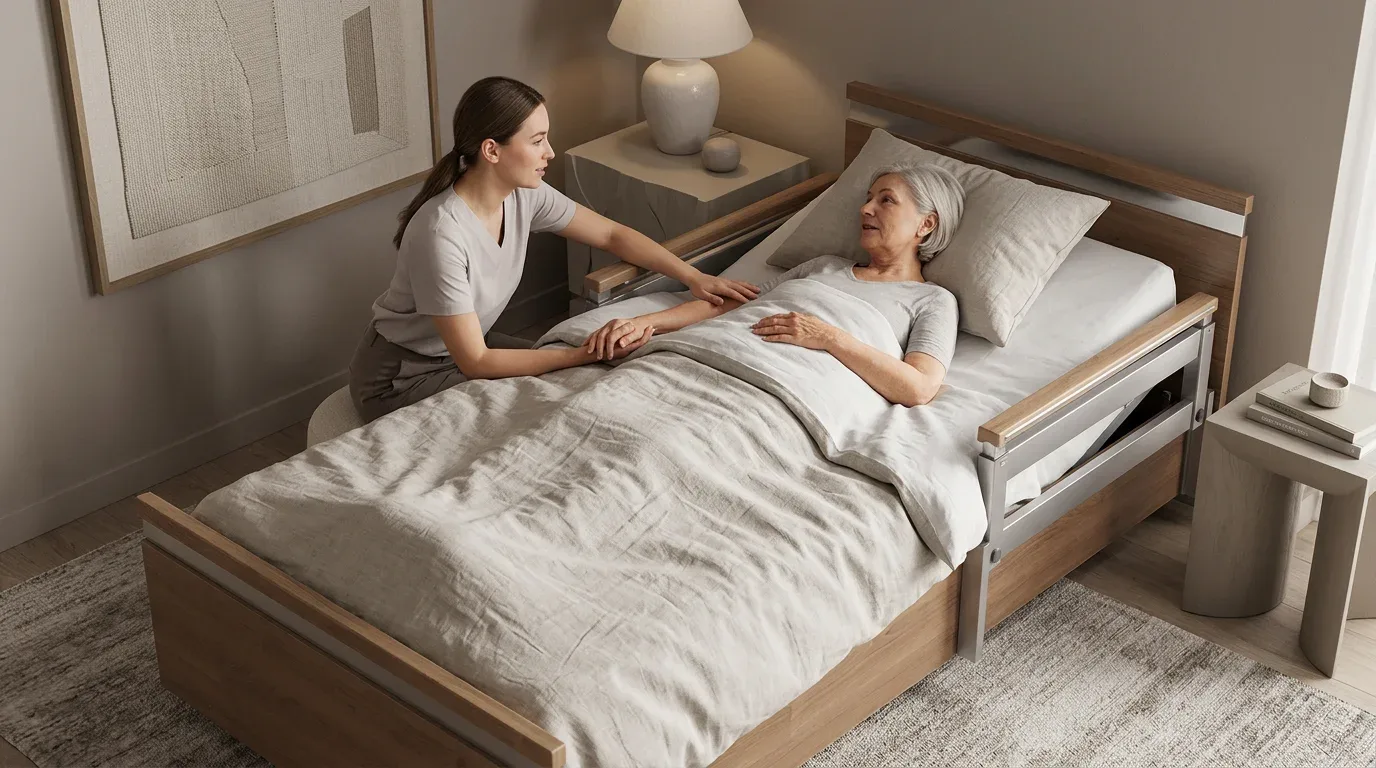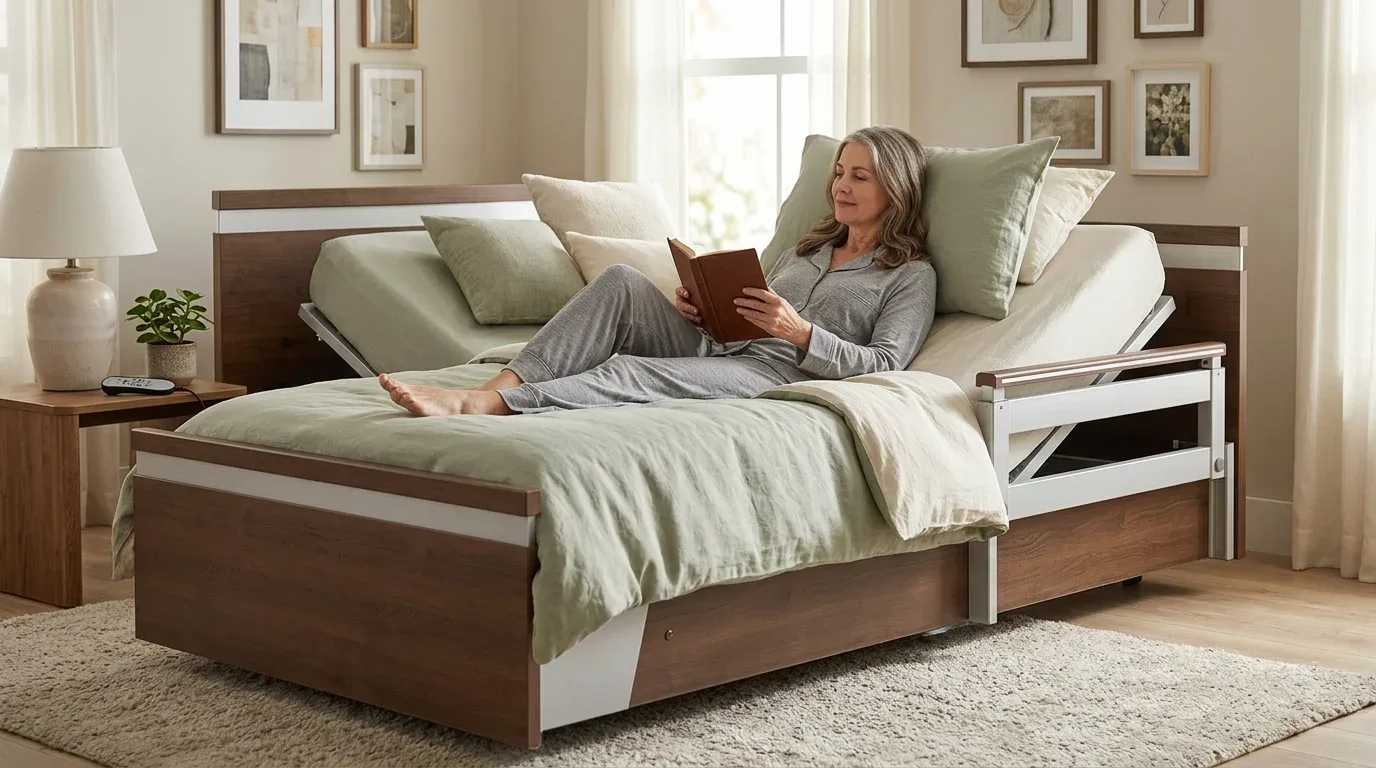









The recovery process after a stroke can be challenging on both a physical and emotional level. After a stroke, the right care and support can have a tremendous impact on the patient’s rehabilitation and recovery. Hospital beds play a crucial role in patient comfort, safety, and healing, which can significantly impact patient outcomes. Here, we explore how stroke specialized hospital beds can aid in the recovery process and what features and benefits they have to offer. Discover how hospital beds can boost the quality of life and performance of stroke patients by helping them regain their independence.
Learn About How A Hospital Bed Improves Comfort and Independence for Stroke Sufferer
The Causes & Effects Of Stroke
A stroke occurs when the blood flow is cut from an area of the brain, depriving the cells of oxygen. The cells begin to die, and when this happens, the person loses abilities controlled by that area of the brain, such as memory and muscle control.
After a stroke, the person will experience physical conditions, emotional changes, and cognitive challenges. The most common effects of a stroke are physical, including seizures, chronic pain, and fatigue. Other common side effects can include:
- Paralysis or loss of voluntary movement
- Loss of control of body movements, including problems with body posture, walking, and balance
- Weaknesses on one side of the body, or limited to areas such as the face, arm, or leg
- Issues swallowing
- Affected ability to feel pain, temperature, position or touch in general
- An inability to recognize objects the person is holding
Every stroke patient will deal with different effects; as such, they will have different recovery times. Difficulties with movement, cognition, and speech often improve in the first weeks or months after a stroke, but some people will need long-term care and rehabilitation. Whatever the length of recovery, a hospital bed can be a vital medical tool.
Sources
Stroke: causes and clinical features. Murphy, S. J. X., & Werring, D. J. (2020). Stroke: Causes and clinical features. Medicine, 48(10), 572-578. https://doi.org/10.1016/j.mpmed.2020.07.002
Pathogenic mechanisms following ischemic stroke. Khoshnam, S. E., Winlow, W., Farzaneh, M., Farbood, Y., & Fathi Moghaddam, H. (2018). Pathogenic mechanisms following ischemic stroke. Neurological Sciences, 39(4), 653-666. https://doi.org/10.1007/s10072-017-2938-1
Adjustable Hospital Beds Can Be Essential For Rehabilitation
Adjustable hospital bed bases can benefit patients in recovery after a stroke. Many survivors suffer from blood pressure issues, chronic pain, and bed sores while they work towards regaining their independence. Using a medical-grade bed that diminishes these side effects can help their comfort and well-being.
It can also be essential for handling and recovering from certain after-effects. Strokes can also increase damaging brain swelling (intracranial pressure). Adjusting the bed upright might help many patients improve blood drainage and reduce intracranial pressure. Some patients have difficulty breathing while lying flat (also called orthopnea); in these cases, the head of the bed should be at the lowest elevation the patient can tolerate.
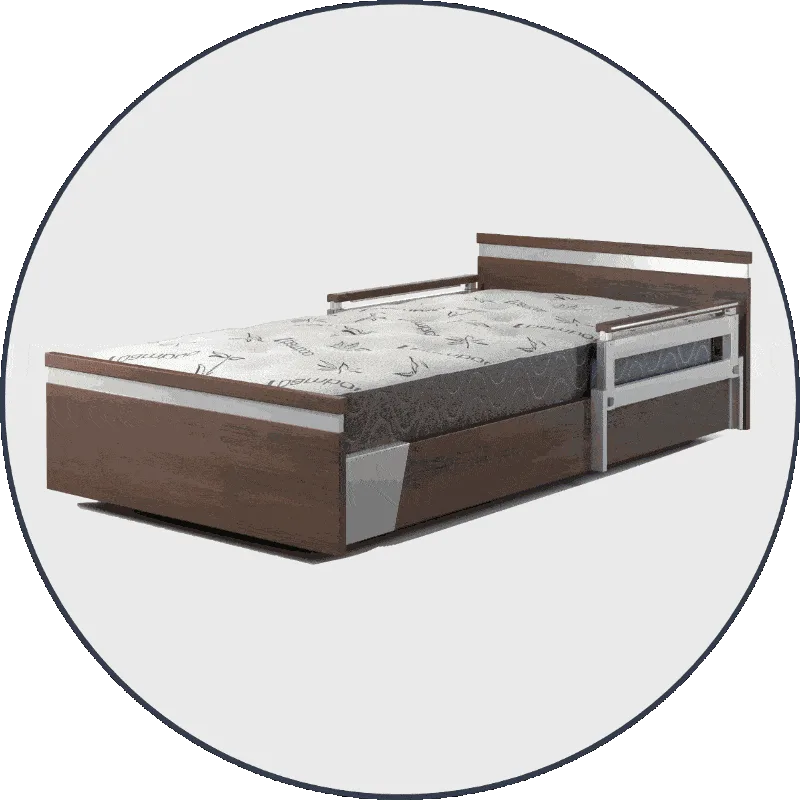
Some of the most common post-stroke effects affect mobility. Many patients experience muscle weakness, stiffness, changes in sensation, and even paralysis. Regaining proper balance and mobility can take a long time, and many patients don’t see improvements until six months after the stroke. SonderCare luxury hospital beds have all the features essential for stability and mobility. Side assist rails, high-low elevation, adjustability, and accessories like the overhead trapeze helper bar can help patients on the road to recovery.
Another SonderCare bed feature that can reduce the likelihood of certain kinds of strokes is the Trendelenburg Position. Some studies have found that Trendelenburg positioning could be an effective and safe strategy in patients with “large ischemic stroke resulting from the proximal occlusion of a large vessel.”*
*https://www.researchgate.net/publication/325389806_Trendelenburg_Positioning_in_Large_Vessel_Ischaemic_Stroke_A_Pre-Post_Observational_Study_Using_Propensity_Score_Matching
Sources
Prolonged immobility is harmful with rapid reductions in muscle mass, bone mineral density and impairment in other body systems evident within the first week of bed rest which is further exacerbated
in individuals with critical illness. Parry, S. M., & Puthucheary, Z. A. (2015). The impact of extended bed rest on the musculoskeletal system in the critical care environment. Extreme Physiology & Medicine, 4(1), Article 16. https://doi.org/10.1186/s13728-015-0036-7
Hospital Beds Are Key For In-Home Care & Recovery
After a stroke, extra precautions are essential to make the home safe. The patient could have balance issues, speech deficits, issues with extremity movement, and other effects that hinder the ability to perform daily activities. Patients may need equipment and devices that help them navigate safely around the home.
The severity of the stroke and the following medical care are two factors in recovery and rehabilitation. Some people will recover quickly, while others need long-term stroke rehabilitation that can last for years. In many cases, while the patient recovers their independence, they will have effects for the rest of their lives.
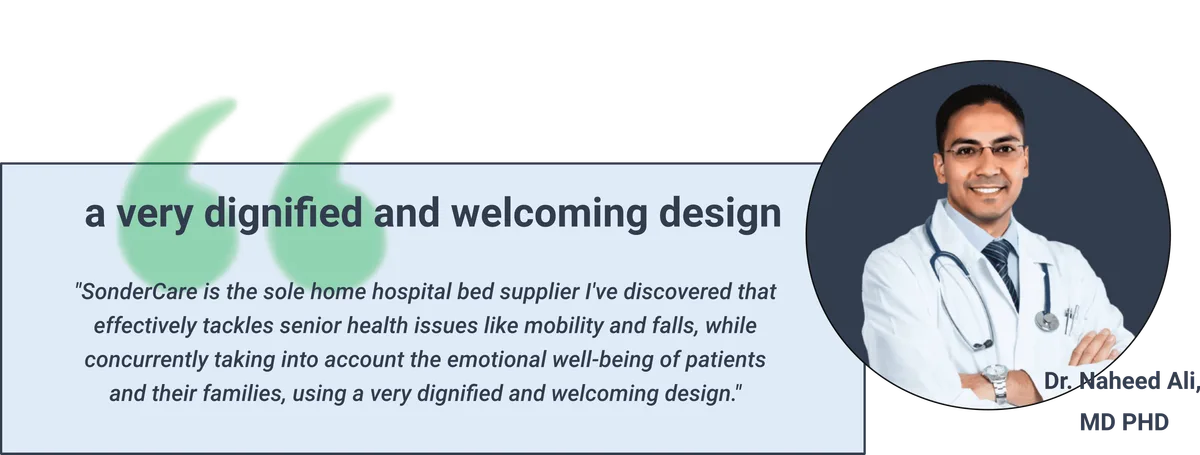
Physical and emotional factors, such as the severity of the cognitive and physical effects, the patient’s motivation, and support groups, all play roles in recovery. However, therapeutic factors are just as critical. These include the timing of rehabilitation, the skill of the healthcare team responsible, and how the environment creates a positive mood. The patient might feel more at ease with therapy sessions if the bed supporting them reflects their style rather than an institution.
Stroke recovery is about getting back to an ordinary level of independence. It involves taking an active approach to ensure one’s life can go on while adapting to new limitations and health conditions. SonderCare luxury hospital beds are helping many people across the United States and Canada improve their quality of life on the road to stroke recovery.
Sources
Beyond the hospital: Community and home rehabilitation. Physiotherapy, 83(11), 552-558. https://doi.org/10.1016/S0031-9406(05)60828-1
From Our Experience...
Kyle Sobko Hospital Bed Expert
"I have seen many stroke patients over the course of my career in acute and nursing equipment and I know how challenging it can be. Most importantly, I've personally experienced the benefits of a hospital bed for stroke patients as it is crucial for rehab to regain confidence and resting comfort in the weeks following treatment."
Summary
- Hospital beds aid stroke recovery by improving comfort and reducing side effects
- Adjustable beds help handle after-effects like brain swelling and mobility issues
- In-home precautions are necessary for patients with balance and speech issues
- Recovery time varies, with physical, emotional, and therapeutic factors playing critical roles
- SonderCare luxury hospital beds have features essential for stability, mobility, and reducing the likelihood of certain strokes
Frequently Asked Questions About Beds Helping Stroke Patients & Rehab
What are hospital beds, and how are they used in stroke recovery?
Hospital beds are specially designed beds used in medical facilities to provide patients with comfort and support while they receive medical treatment or recover from an illness. Hospital beds can help stroke patients recover by providing them with the necessary support and safety measures needed during their recovery process.
How can hospital beds help with the mobility of stroke patients?
Hospital beds are equipped with features that can help with the mobility of stroke patients. For instance, they can be adjusted to different heights to make it easier for patients to get in and out of bed. The beds also come with side rails that can be raised to help patients move in and out of bed more easily and safely.
Can hospital beds help prevent bedsores in stroke patients?
Yes, hospital beds are designed to prevent bedsores in patients who are immobile or have limited mobility due to conditions such as stroke. The beds come with specialized mattresses and pressure-relieving surfaces that distribute weight evenly and reduce pressure on vulnerable areas of the body, such as the hips, back, and heels.
How do hospital beds help with stroke patients' safety?
Hospital beds are designed with various safety features that can help prevent falls and other accidents in stroke patients. For example, the beds can be adjusted to different positions to reduce the risk of patients falling out of bed. They also come with side rails and bed alarms that alert healthcare providers if a patient attempts to get out of bed unassisted.
How can stroke patients and their caregivers choose the right hospital bed?
Choosing the right hospital bed for stroke patients depends on several factors, including the patient’s mobility level, weight, and height, as well as their specific medical needs. It’s essential to work with a healthcare provider or medical equipment supplier to select the appropriate bed and ensure that it meets the patient’s needs.
What are some additional features to look for in a hospital bed for stroke recovery?
Some additional features to look for in a hospital bed for stroke recovery include adjustable bed height, side rails, pressure-relieving mattresses, bed alarms, and built-in scales. Patients and caregivers should also consider the bed’s ease of use, maintenance requirements, and overall cost.
more about beds for Alzheimer’s therapy, Alzheimer’s sleep assistance with home hospital beds, Alzheimer’s care using home hospital beds